
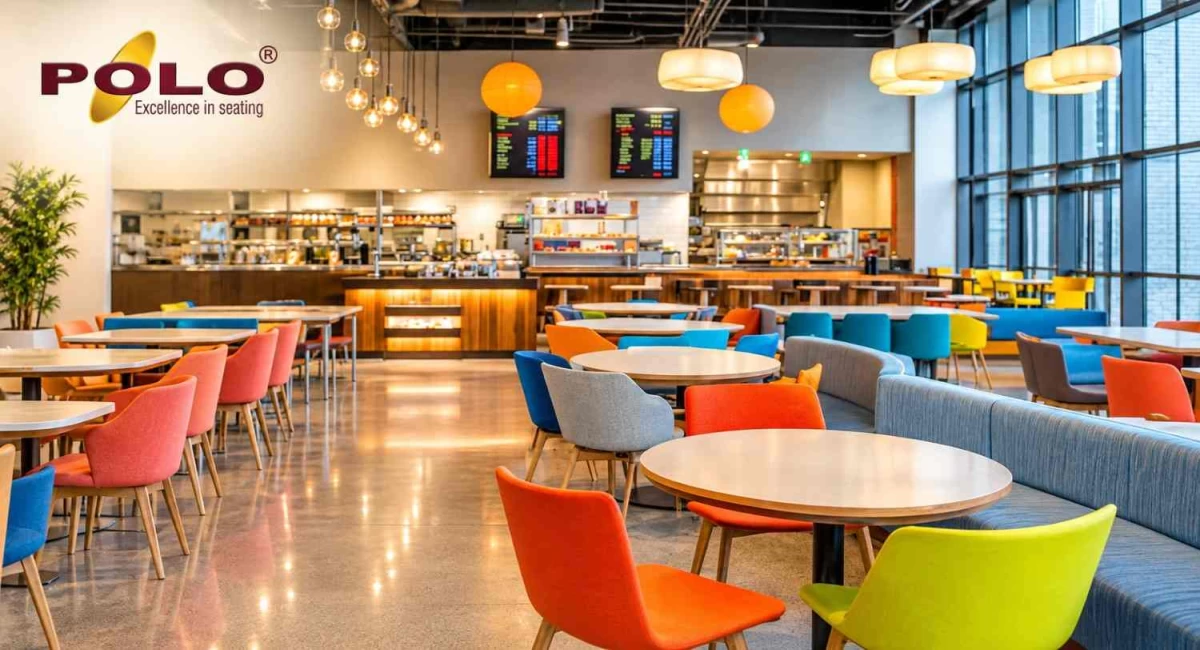
How Do You Select Cafeteria Furniture For High-Traffic Areas?
Quick Highlights
- Check daily footfall before deciding the seating capacity.
- Select strong materials that suit frequent cleaning.
- Choose tables and chairs that offer good comfort.
- Keep enough space between tables and walking paths.
- Check furniture joints, frames, and weight capacity.
- Follow regular cleaning and repair schedules.
- Compare product quality, warranty, and long-term costs.
How can you choose cafeteria furniture that stays strong and comfortable during busy hours? A cafeteria serves students, employees, visitors, and other groups throughout the day. Tables and chairs face regular use, frequent movement, food spills, and daily cleaning. The wrong furniture can lead to frequent repairs and extra costs.
Choosing cafeteria furniture for high-traffic areas requires more than checking its price or appearance. You need to consider its strength, comfort, material, size, and ease of care.
As a famous cafeteria furniture manufacturer, we are here to discuss key factors that can help you select furniture for a busy cafeteria.
What Should You Check Before Buying Cafeteria Furniture?
Start with the daily use of your cafeteria. The furniture should match the number of people who use the space. A school cafeteria has different needs from a corporate dining area or hospital cafeteria.
Before you select tables and chairs, consider these points -
- Estimate how many people use the cafeteria during each meal period.
- Check the floor area and plan enough room for tables, chairs, and walking paths.
- Decide how many people should sit at one time.
- Consider the needs of children, adults, senior citizens, and people with mobility needs.
- Check how long the cafeteria stays open and how often people use it.
- Choose furniture that staff can clean without much effort.
Which Materials Are Best for High-Traffic Cafeteria Furniture?
The material plays a major role in furniture strength, daily care, and service life. For busy cafeterias, choose materials that can handle regular use and frequent cleaning.
Different materials offer different benefits. Your choice should depend on the cafeteria's users, budget, and daily conditions.
Metal - Steel and other metal frames offer good support for regular use. They work well in busy dining areas. Check the coating to reduce the risk of rust and surface damage.
High-pressure laminate (HPL) - HPL surfaces can handle regular use and are easy to wipe clean. They suit cafeteria tabletops that face food spills and stains.
Solid wood - Wood gives furniture a warm and natural look. However, it needs proper care and a suitable finish to protect it from moisture and scratches.
Plastic - High-quality plastic chairs are light and easy to move. They also need simple cleaning. Check their weight capacity and frame strength before purchase.
Stainless steel - This material suits food service areas and other spaces that need frequent cleaning. It can resist rust under suitable conditions.
How Do You Choose Tables and Chairs for Daily Use?
The right ones should support regular use without causing discomfort. They should also allow people to sit, eat, and move around with ease.
Consider these common options -
Individual chairs - These give users more freedom to choose their seats. Staff can also move them when the layout changes.
Fixed benches - Benches can suit shared dining spaces. They can also reduce the number of separate furniture pieces.
Four-seater tables - These work well for small groups. They can suit schools, offices, and staff dining rooms.
Long dining tables - These can serve larger groups in colleges, factories, and other busy spaces.
Foldable tables - These can help when a cafeteria also serves as a multipurpose room. Check their locking parts and frame strength before purchase.
How Can You Plan a Cafeteria Layout for Heavy Footfall?
A good cafeteria layout gives people enough space to eat and move around. It also helps staff clean the area and manage daily activities.
Even strong furniture can create problems if you place it poorly. Crowded tables can block walking paths and make it difficult for people to reach their seats.
Keep these points in mind while planning the layout -
- Leave clear walking paths between tables and seating rows.
- Keep enough space near entrances and exits.
- Place tables away from food counters and service areas.
- Leave room for people who use wheelchairs or walking aids.
- Keep enough space for staff to collect trays and clean tables.
- Avoid placing chairs where they block doors or emergency exits.
How Do You Maintain Cafeteria Furniture and Control Long-Term Costs?
Regular care helps cafeteria furniture stay in good condition for a longer time. It also helps reduce avoidable repair and replacement costs.
Busy dining areas face food spills, scratches, loose screws, and regular movement. A simple care routine can help staff find small problems before they become serious.
The buying price should not be your only concern. Cheap furniture may need frequent repairs or early replacement. A higher-priced product may offer better value if it lasts longer under normal use.
Ask suppliers about product warranties, spare parts, repair support, and delivery terms. Request product samples or visit a showroom if possible.
For large orders, check the same model across different units. Confirm that the tables and chairs have matching sizes and finishes. This can help avoid problems during installation.
A planned maintenance routine also helps you track the condition of your furniture. Keep a record of repairs and damaged units. Use this information when you plan future purchases.
Follow these basic practices -
- Clean tables and chairs after regular meal periods.
- Use cleaning products that suit the furniture material.
- Check chair legs, table joints, and screws at regular intervals.
- Tighten loose fittings as soon as staff find them.
- Replace damaged parts before they affect safe use.
- Keep furniture away from excess moisture when the material requires it.
- Train cleaning staff to follow the supplier's care instructions.
Last Words
As a leading office chair dealer in Delhi, we recommend selecting cafeteria furniture for high-traffic areas starts with understanding daily use, available space, and seating needs. Choose strong materials, comfortable chairs, and practical tables. Plan clear walking paths and follow a regular cleaning routine. Check product quality, warranty, and repair support before buying. Good choices can keep your cafeteria useful and comfortable for years.